Health Risks of Mold Exposure and How Remediation Helps in Victorville
Mold isn’t just an eyesore—it’s a silent health hazard that thrives in Victorville’s dry climate when moisture goes unchecked. From respiratory distress to long-term immune effects, exposure demands more than a surface wipe-down. Professional remediation stops spores at the source, protecting both health and property.
Common Health Effects of Mold Exposure
Inhaling or touching mold spores can trigger allergic reactions, even in otherwise healthy individuals. Sneezing, itchy eyes, and skin rashes are typical first signs.
For those with asthma or compromised immune systems, mold can exacerbate symptoms, leading to chronic coughing, wheezing, or sinus infections. Long-term exposure may cause lung inflammation or fungal infections.
Mycotoxins produced by certain molds, like Stachybotrys (black mold), are linked to neurological issues, fatigue, and memory problems. Children, the elderly, and pets are especially vulnerable.
Individuals with COPD, autoimmune disorders, or a history of lung disease should avoid moldy environments entirely. Immediate remediation is critical.
Why Mold Thrives in Victorville Homes
The High Desert’s extreme temperature swings create condensation inside walls, attics, and crawl spaces. Poor ventilation traps moisture, feeding mold growth on wood, drywall, and insulation.
Leaks from aging plumbing, roof damage after rare but intense storms, or improperly sealed windows in older neighborhoods like Old Town Victorville or Spring Valley Lake accelerate infestations.
HVAC systems circulating contaminated air can spread spores to every room. Without duct cleaning or remediation, the problem recurs even after visible mold is removed.
Mold Remediation vs. DIY Cleanup: Key Differences
Surface cleaning with bleach or vinegar kills visible mold but fails to address hidden colonies in porous materials like drywall or subflooring. Spores often return within weeks.
Professional remediation uses HEPA vacuums, antimicrobial treatments, and containment barriers to prevent cross-contamination. Technicians also identify and fix moisture sources to stop regrowth.
| Factor | DIY Cleanup | Professional Remediation |
|---|---|---|
| Scope | Surface-level only | Full-structure assessment |
| Spore Removal | Partial (visible areas) | Comprehensive (air, surfaces, hidden cavities) |
| Moisture Control | None | Root-cause identification and repair |
| Safety | Risk of exposure | PPE, containment, negative air pressure |
| Long-Term Prevention | Unlikely | Guaranteed through encapsulation and dehumidification |
The Remediation Process: What to Expect
A thorough inspection with moisture meters and thermal imaging pinpoints infestations in walls, ceilings, or under flooring. Air quality testing may measure spore counts for baseline comparison.
Containment involves sealing off affected areas with plastic sheeting and using negative air machines to vent spores outside. This prevents spread during removal.
Porous materials like drywall or carpet are often removed and replaced, while non-porous surfaces are scrubbed with antimicrobial solutions. HEPA sanding may be used for wood framing.
Critical Areas for Mold in Victorville Properties
Attics often harbor mold due to poor ventilation and roof leaks, especially in homes near the Mojave River or in Mountain View Acres, where dust storms can damage shingles.
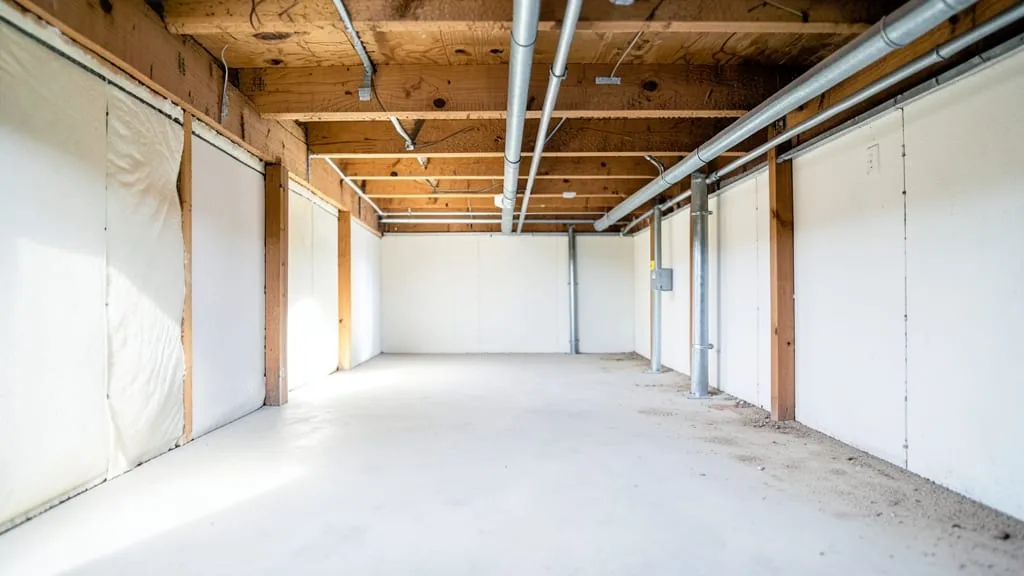
Crawl spaces in older homes lack vapor barriers, allowing ground moisture to seep in. Basements, though rare in the High Desert, can develop mold if improperly waterproofed.
Bathrooms, kitchens, and laundry rooms are hotspots due to plumbing leaks or high humidity. HVAC systems and ductwork require specialized cleaning to remove spores circulating through vents.
Mold-Prone Spots to Inspect
- Under sinks and around pipes
- Behind appliances (refrigerators, washers)
- Window sills and frames
- Baseboards and carpet edges
- Inside wall cavities (check for water stains)
- HVAC vents and air handlers
Cost Factors for Mold Remediation in the High Desert
The size of the infestation is the primary driver of cost. A small bathroom cleanup differs vastly from whole-home remediation after a sewer backup or flood damage in areas like Adelanto or Hesperia.
Material replacement (drywall, insulation, flooring) and the need for structural repairs add to expenses. Accessibility also plays a role—attic or crawl space work requires more labor.
Testing, containment setup, and specialized equipment like dehumidifiers or air scrubbers contribute to the final quote. Always request a detailed, itemized estimate before work begins.
Beware of contractors who skip containment or moisture control. Cutting corners often leads to recurring mold—and higher costs long-term.
Preventing Mold Recurrence After Remediation
Fixing leaks in roofs, pipes, or foundations is non-negotiable. In Victorville, even minor drips from AC units or irrigation systems can restart growth within days.
Dehumidifiers and exhaust fans in bathrooms and kitchens maintain humidity below 50%. In dry climates, overwatering indoor plants or poor drainage can ironically create mold-friendly conditions.
Regular HVAC maintenance, including filter changes and duct inspections, prevents spore circulation. Annual air quality testing helps catch new growth early.
How to Prepare for Mold Remediation in Your Home
Taking these steps ensures a smoother process and protects your belongings.
- 1Clear the Area
Remove furniture, clothing, and valuables from the work zone. Seal non-removable items in plastic sheeting to protect them from dust and spores.
- 2Turn Off HVAC Systems
Prevent spores from spreading through vents by shutting down heating and cooling systems until remediation is complete.
- 3Arrange Temporary Housing
For large infestations, especially those involving toxic mold, plan to stay elsewhere during containment and cleanup to avoid exposure.
- 4Document the Damage
Take photos of visible mold and water damage for insurance claims. Note any health symptoms experienced by household members.
- 5Communicate with Contractors
Provide access to all affected areas, including attics, crawl spaces, and utility closets. Discuss timelines and post-remediation testing.
Frequently Asked Questions
How quickly can mold grow after water damage in Victorville?
Mold can begin colonizing within 24–48 hours of water exposure, especially in warm, dark spaces like under flooring or inside walls. Immediate drying and professional assessment are critical to prevent spread.
Is black mold more dangerous than other types?
Stachybotrys (black mold) produces mycotoxins that can cause severe health effects, but all mold should be treated seriously. The CDC advises remediating any mold infestation regardless of type.
Can mold return after remediation?
Yes, if the moisture source isn’t fixed. Professional remediation includes identifying and resolving leaks, humidity issues, or ventilation problems to minimize recurrence.
Do I need to test for mold before remediation?
Testing isn’t always necessary if mold is visible, but air quality testing can confirm spore types and concentrations. Post-remediation testing verifies the work’s effectiveness, especially for large or toxic infestations.
Are there local regulations for mold remediation in Victorville?
California has no statewide mold remediation license, but contractors must follow EPA guidelines and local building codes. For commercial properties or public buildings, additional rules may apply.
What’s the difference between mold removal and mold remediation?
Removal refers to eliminating visible mold, while remediation addresses the root cause (moisture) and ensures spores are contained and prevented from returning. Remediation is the only long-term solution.