How to Choose the Right Mold Remediation Contractor in Victorville
Mold in a home isn’t just unsightly—it can compromise indoor air quality and structural integrity. Choosing the right contractor for mold remediation in Victorville means understanding the work, the risks, and the standards that separate thorough, safe removal from superficial fixes. The High Desert’s dry climate can mask moisture issues, making local expertise especially critical.
Understanding the Scope of Mold Remediation Work
Mold remediation isn’t just scrubbing visible growth. The process involves containment, air filtration, removal of contaminated materials, and treating surfaces to prevent recurrence. In Victorville, hidden moisture in walls or under flooring often fuels infestations long after the source seems dry.
Crews typically start with a moisture assessment using tools like thermal imaging or moisture meters. Without addressing the root cause—leaky pipes, poor ventilation, or condensation—mold will return, even after cleanup.
Key Certifications and Standards to Look For
While contractors can’t claim credentials, the work should align with industry standards. The IICRC S520 guideline is the benchmark for professional mold remediation, covering everything from containment protocols to post-remediation verification.
In California, mold remediation often intersects with other hazards. For example, pre-1978 homes may require lead paint testing, and older structures could need asbestos testing before demolition begins. A thorough contractor will coordinate these assessments.
Request documentation that the work follows IICRC S520 or EPA guidelines. This ensures the process meets recognized safety and efficacy standards.
How Mold Remediation Differs by Surface and Location
Porous materials like drywall, insulation, or carpet often require removal if mold is extensive. Non-porous surfaces (tile, glass, metal) can sometimes be cleaned with antimicrobial treatments. The approach varies by material and the depth of contamination.
Attic and crawl space mold remediation in Victorville often involves addressing ventilation issues. Poor airflow in these areas traps moisture, especially during temperature swings between day and night in the High Desert.
| Material | Typical Remediation Method | Notes |
|---|---|---|
| Drywall | Removal and replacement | Often necessary if mold has penetrated deeply |
| Concrete | HEPA vacuuming + antimicrobial sealant | Surface cleaning may suffice if contamination is shallow |
| Wood (structural) | HEPA sanding or encapsulation | Encapsulation seals mold in place if removal isn’t feasible |
| Carpet | Removal and disposal | Porous and difficult to fully decontaminate |
| HVAC Ductwork | Professional cleaning with containment | Prevents spore spread through the system |
Red Flags When Evaluating a Contractor
Avoid contractors who propose a one-size-fits-all solution. Mold remediation should be tailored to the specific strain, extent, and location of the infestation. Generic bids without an inspection are a warning sign.
Be wary of promises to “kill all mold” with a single treatment. Effective remediation requires a multi-step process: containment, removal, cleaning, and prevention. Any claim of a miracle cure is unreliable.
Bleach is not a professional mold remediation tool. It can worsen the problem by driving spores deeper into porous materials and failing to address the root moisture issue.
The Role of Testing Before and After Remediation
Pre-remediation testing identifies the type and extent of mold, helping crews develop a targeted plan. Post-remediation verification (clearance testing) confirms the work was successful. Air and surface samples are typically collected and analyzed by an independent lab.
In Victorville, dust and outdoor spores can complicate testing. A reputable process accounts for local baseline spore levels to avoid false positives. Third-party testing ensures objectivity, as the remediation crew should not also conduct the clearance test.
Questions to Ask Before Hiring
Clarify whether the contractor will handle containment and air filtration on-site. Proper remediation uses negative air pressure machines and HEPA filters to prevent spore spread to clean areas of the home.
Ask about the disposal process for contaminated materials. In California, moldy debris may be subject to specific handling and disposal regulations, especially if it’s mixed with other hazardous materials like asbestos or lead paint.
Essential Questions for Contractors
- Will you use containment barriers and negative air pressure?
- How will you verify the mold is fully remediated?
- Do you recommend third-party testing for clearance?
- What steps will you take to address the moisture source?
- How will contaminated materials be disposed of?
Cost Factors in Mold Remediation
Pricing varies based on the square footage affected, the type of mold, and the materials involved. For example, removing mold from drywall in a bathroom is less labor-intensive than treating an entire attic with extensive wood framing contamination.
Accessibility plays a role, too. Crawl spaces or areas behind walls require more time and equipment. In Victorville, homes with slab foundations or unique architectural features may present additional challenges that influence cost.
Preventing Future Mold Growth in Victorville Homes
The High Desert’s low humidity doesn’t eliminate mold risk. Poor ventilation, plumbing leaks, or condensation from temperature swings can create ideal conditions. Regularly inspecting pipes, roofs, and HVAC systems helps catch issues early.
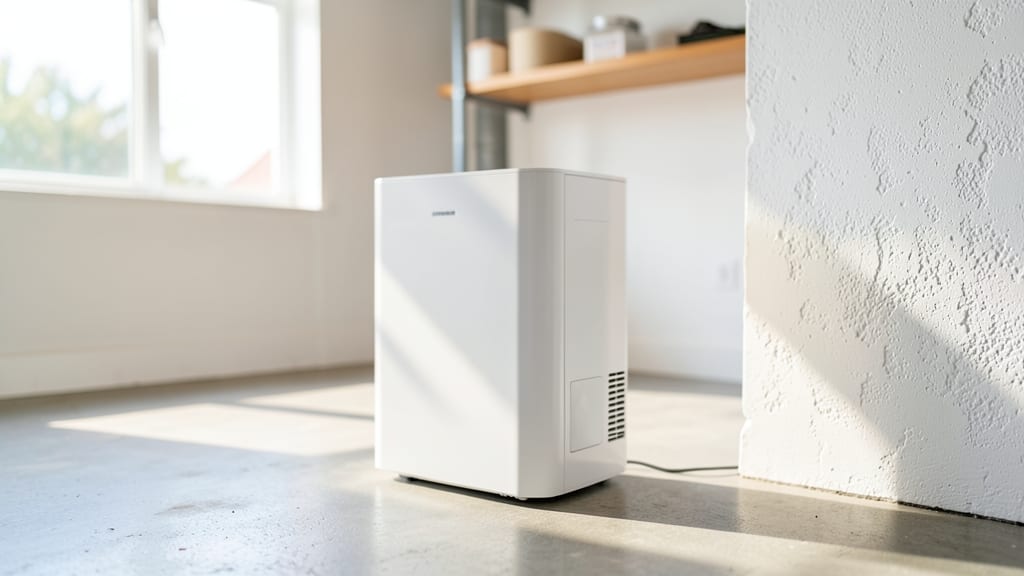
Dehumidifiers and proper insulation can mitigate moisture in problem areas like basements or garages. For ongoing protection, consider a moisture control plan tailored to Victorville’s climate and your home’s specific vulnerabilities.
Winter rains and summer monsoons in the Victor Valley can introduce moisture. Schedule inspections after heavy storms or if musty odors develop.
How to Prepare Your Home for Mold Remediation
Proper preparation ensures the process is efficient and minimizes disruption.
- 1Clear the Affected Area
Remove furniture, personal items, and pets from the work zone. Cover or seal items that can’t be moved with plastic sheeting.
- 2Turn Off HVAC Systems
Prevent spores from spreading through ductwork by shutting down heating and cooling systems before work begins.
- 3Seal Off the Work Area
Contractors should use plastic sheeting to create containment barriers, but you can help by closing doors and windows leading to the area.
- 4Communicate with the Crew
Discuss access points, parking, and any specific concerns (e.g., children, elderly residents, or pets) that may require additional precautions.
- 5Plan for Temporary Relocation
For large or severe infestations, consider staying elsewhere during remediation, especially if sensitive individuals (e.g., those with allergies or asthma) are present.
Frequently Asked Questions
How long does mold remediation typically take in Victorville?
Timelines vary by scope. A small, contained area (e.g., a bathroom) may take 1–2 days, while extensive infestations in attics or crawl spaces can require a week or more. Drying time after moisture removal also adds to the duration.
Is mold remediation covered by homeowners insurance?
Coverage depends on the policy and the cause. Sudden, accidental water damage (e.g., a burst pipe) is often covered, but long-term neglect or high humidity typically isn’t. Review your policy and consult your insurer.
Can I stay in my home during mold remediation?
For minor projects with proper containment, it’s usually safe to remain. However, large-scale remediation or work involving toxic mold (e.g., Stachybotrys) may require temporary relocation, especially for vulnerable individuals.
What’s the difference between mold removal and mold remediation?
Removal refers to eliminating visible mold, while remediation addresses the full scope: containment, cleaning, moisture control, and prevention. Remediation is the comprehensive process; removal alone often leads to recurrence.
Are there specific mold risks in Victorville’s climate?
Yes. While the desert climate is dry, temperature fluctuations can cause condensation in walls or attics. Poorly ventilated areas, like crawl spaces or bathrooms, are particularly susceptible. Additionally, dust storms can introduce outdoor spores indoors.
How do I know if mold remediation was successful?
Success is confirmed through post-remediation verification, including visual inspection and air/surface testing. A qualified third party should conduct this to ensure objectivity. Clearance testing typically occurs 24–48 hours after work completes.